Oregon Coast
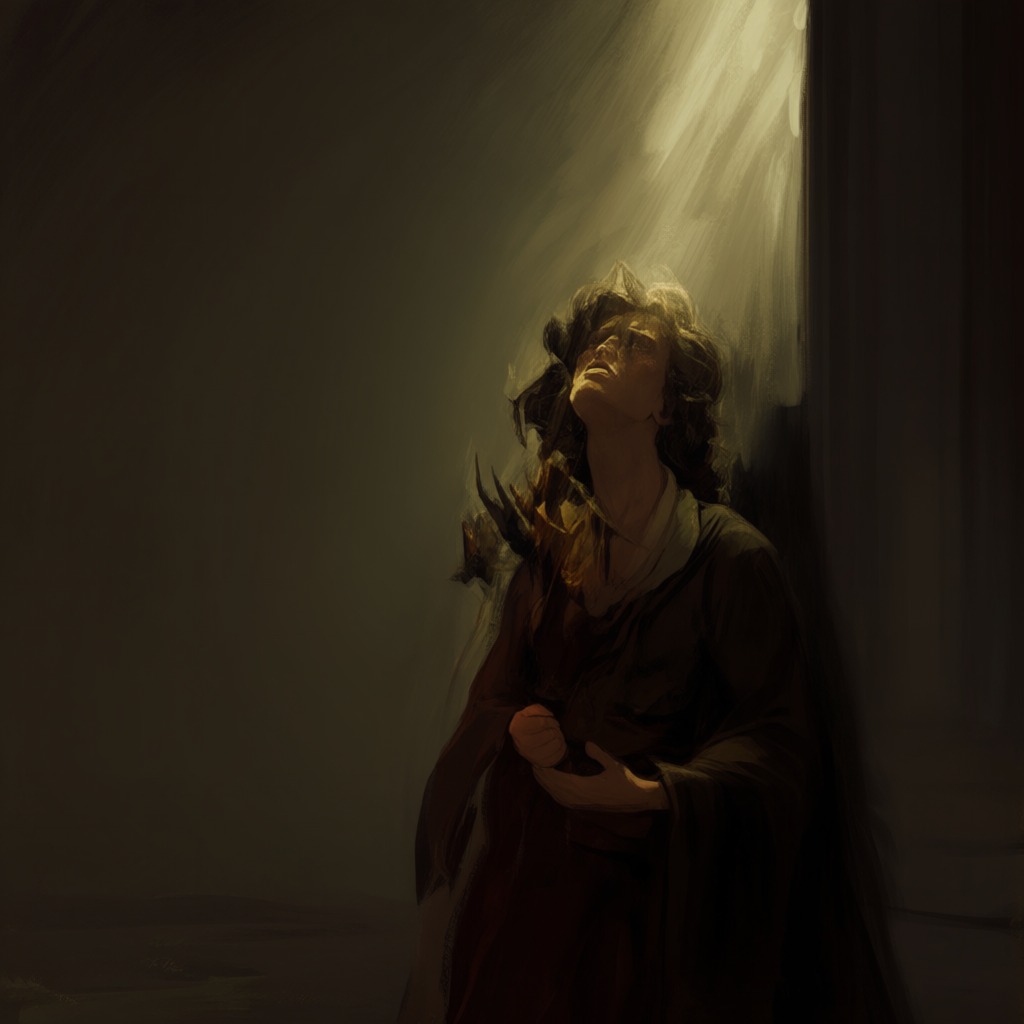
The Oregon Coast is the present-day setting of the novel's framing narrative, where the elderly Vianne Mauriac, now living in an assisted living facility, confronts her wartime past after receiving an invitation to a reunion for the Nightingale escape route. This coastal landscape, with its flowering trees and quiet retirement community, stands in stark contrast to the war-torn France of her memories, serving as a physical and emotional distance from the trauma she has carried for fifty years. The Oregon Coast is not merely a backdrop but a symbolic space of exile, reinvention, and the painful reckoning with a hidden history.
A Life Built on the Coast
Vianne settled on the Oregon Coast nearly fifty years ago, building a life far from the Loire Valley and the horrors of World War II. Her house, named The Peaks by the lumber baron who built it more than a century ago, became her sanctuary, a place where she could bury her past. The home, now for sale at her son's insistence, is filled with the detritus of an American life—boxes marked "Xmas," "Thanksgiving," "Easter," and "Halloween"—that she cannot bear to part with, as admitting she will not decorate a Christmas tree feels like giving up. This coastal home represents the ordinary, peaceful existence she constructed after the war, a deliberate choice to become an American and leave her French identity behind.
The Attic and the Trunk
In the attic of her Oregon Coast home, Vianne keeps an ancient steamer trunk covered in travel stickers, a physical repository of her wartime memories. Inside, she has stored faded leather-bound journals, a packet of aged postcards tied with a blue satin ribbon, a set of slim books of poetry by Julien Rossignol, and a shoebox of black-and-white photographs. On top of these mementos lies a yellowed, faded piece of paper: a carte d'identité from the war, bearing the small, passport-sized photo of a young woman named Juliette Gervaise. This trunk, which she insists on taking with her to the retirement community, is the only thing from her past she wants to keep, a tangible link to the sister and the life she has hidden from her son.
The Reckoning
The Oregon Coast becomes the site of Vianne's final reckoning with her past. After her husband's death and her own cancer diagnosis, she finds herself looking backward, the past having a clarity she can no longer see in the present. The arrival of an invitation to a passeurs' reunion in Paris, addressed to the Nightingale, forces her to confront the terrible things she has done, the secret she kept, the man she killed, and the one she should have. The Oregon Coast, with its quiet retirement community and the Ocean Crest Retirement Community and Nursing Home, represents the life she chose to forget, but the invitation pulls her back to France, back to the truth. Her son, Julien, accompanies her on the flight to Paris, and as they land, she feels a sense of home, realizing that despite her American citizenship, the truth is that none of that matters; she is home. The Oregon Coast, then, is not her final destination but a waystation on a journey back to her origins, a place where she finally decides to tell her story.